
How to Access the Dark Web in 2026: A Complete Safety Guide
The Dark Web remains one of the internet's most misunderstood spaces.
The Dark Web remains one of the internet's most misunderstood spaces. If you're wondering how to access the Dark Web in 2026, you're not alone—thousands search for this information monthly. This comprehensive guide covers everything you need to know about accessing the Dark Web safely, legally, and securely.
What Is the Dark Web?
Before learning how to access the Dark Web in 2026, it's important to understand what it actually is. The Dark Web is a portion of the internet not indexed by traditional search engines like Google. It requires specific software and configurations to access, offering enhanced privacy and anonymity.
The Dark Web isn't inherently illegal—it's simply a tool. While it does host illicit activities, it also provides:
- Secure communication channels for journalists and whistleblowers
- Privacy-focused forums and communities
- Access to information in countries with heavy censorship
- Anonymous browsing capabilities for privacy-conscious users
How to Access the Dark Web in 2026: Step-by-Step Guide
Step 1: Download the Tor Browser
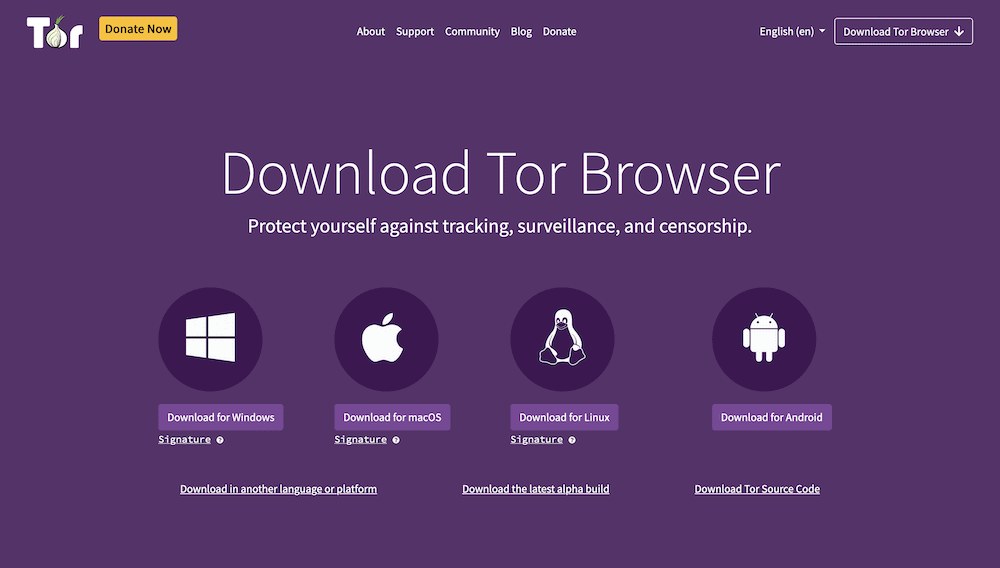
The most common way to access the Dark Web in 2026 is through the Tor Browser. Here's how:
- Visit the official Tor Project website at torproject.org
- Download the Tor Browser for your operating system (Windows, macOS, Linux, or Android)
- Verify the download's signature to ensure it hasn't been tampered with
- Install the browser following the standard installation process
Important: Only download Tor from the official website to avoid malicious versions.
Step 2: Configure Your Security Settings
When you first open Tor Browser, you'll want to optimize your security:
- Set security level to "Safer" or "Safest" in settings
- Disable JavaScript if possible (though this may break some sites)
- Never maximize your browser window (this can reveal your screen resolution)
- Use the browser in its default size
Step 3: Connect to the Tor Network
Click "Connect" in the Tor Browser. The software will establish a connection through multiple relay servers, encrypting your traffic multiple times—this is why it's sometimes called "onion routing."
Step 4: Navigate to .onion Sites
Dark Web addresses end in .onion rather than .com or .org. These sites are only accessible through Tor. You'll need to know specific .onion addresses or use Dark Web search engines and directories.
Essential Safety Tips for Accessing the Dark Web in 2026
If you're learning how to access the Dark Web in 2026, safety must be your top priority:
Use a VPN Before Connecting
Consider using a reputable VPN service before launching Tor. This adds an extra layer of protection by hiding your Tor usage from your internet service provider.
Never Share Personal Information
The Dark Web's anonymity works both ways. Never provide:
- Real name or address
- Email addresses linked to your identity
- Payment information tied to your real identity
- Photos that could identify you
Keep Your System Secure
- Use updated antivirus software
- Keep your operating system fully patched
- Consider using a dedicated machine or virtual machine for Dark Web browsing
- Disable all plugins and add-ons in Tor Browser
Avoid Downloads
Downloading files from the Dark Web poses significant malware risks. If you must download something, scan it thoroughly and open it in a sandboxed environment.
Stay Legal
While accessing the Dark Web itself is legal in most countries, many activities on it are not. Avoid:
- Purchasing illegal goods or services
- Accessing illegal content
- Participating in illegal marketplaces
- Hacking or cybercrime activities
Alternative Methods to Access the Dark Web in 2026
While Tor is the most popular method for how to access the Dark Web in 2026, alternatives exist:
I2P (Invisible Internet Project)
I2P is an anonymous network layer that allows for censorship-resistant, peer-to-peer communication. It's more complex than Tor but offers different security properties.
Freenet
Freenet is a decentralized, encrypted network designed for censorship-resistant publishing and communication. It's particularly useful for sharing files anonymously.
Tails OS
Tails (The Amnesic Incognito Live System) is a security-focused operating system that routes all internet traffic through Tor automatically. It runs from a USB stick and leaves no trace on the host computer.
Common Mistakes When Accessing the Dark Web
Understanding how to access the Dark Web in 2026 means knowing what NOT to do:
- Using your regular browser: Standard browsers can't access .onion sites and don't provide anonymity
- Logging into regular accounts: Never log into Facebook, Gmail, or other accounts while on Tor
- Ignoring updates: Keep Tor Browser updated to patch security vulnerabilities
- Trusting everyone: The Dark Web has scammers and malicious actors
- Using the same passwords: Create unique credentials for Dark Web activities
Legitimate Uses of the Dark Web
Many people learn how to access the Dark Web in 2026 for perfectly legal reasons:
- Journalists and activists: Secure communication in oppressive regimes
- Privacy advocates: Browsing without corporate tracking
- Researchers: Studying cybersecurity and internet freedom
- Whistleblowers: Safely sharing sensitive information
- Citizens in censored countries: Accessing blocked information
Is Accessing the Dark Web Legal?
Yes, accessing the Dark Web is legal in most countries, including the United States, Canada, and most of Europe. However, what you do there may not be legal. Simply using Tor Browser and visiting .onion sites is not illegal.
Some countries with heavy internet censorship may restrict or monitor Tor usage, so be aware of your local laws.
Dark Web vs. Deep Web: Understanding the Difference
When learning how to access the Dark Web in 2026, many people confuse it with the Deep Web:
- Surface Web: Regular internet indexed by search engines (about 4% of the web)
- Deep Web: Unindexed content like email inboxes, password-protected sites, databases (about 90% of the web)
- Dark Web: A small portion of the Deep Web requiring special software to access (less than 0.01% of the web)
Recommended Dark Web Resources for Beginners
If you're just learning how to access the Dark Web in 2026, start with these safer resources:
- The Hidden Wiki: A directory of .onion sites (verify current links through trusted sources)
- DuckDuckGo's Onion Service: Privacy-focused search engine accessible via Tor
- ProtonMail's Onion Site: Secure email service with a Dark Web version
- BBC News Onion Service: Legitimate news source available on Tor
Protecting Your Privacy: Beyond the Basics
Advanced users accessing the Dark Web in 2026 should consider:
- Using cryptocurrency (like Monero) for anonymous transactions
- Employing good operational security (OPSEC) practices
- Utilizing encrypted communication tools
- Understanding network analysis and timing attacks
- Separating Dark Web activities from regular online presence
The Future of Dark Web Access in 2026
As we progress through 2026, the Dark Web continues evolving:
- Improved security features in Tor Browser
- Better user interfaces making access more intuitive
- Increased mainstream awareness of privacy tools
- More legitimate organizations establishing .onion presence
- Enhanced law enforcement techniques (stay legal!)
Conclusion: Should You Access the Dark Web?
Now that you know how to access the Dark Web in 2026, the question is whether you should. The Dark Web is a tool—neither good nor bad in itself. If you have legitimate privacy needs, wish to bypass censorship, or want to explore this hidden part of the internet responsibly, accessing it can be done safely.
Remember these key points:
- Always prioritize your security and privacy
- Only use official Tor software from torproject.org
- Never engage in illegal activities
- Keep your personal information private
- Stay informed about current security best practices
The Dark Web remains an important space for privacy, free speech, and resistance to censorship. By understanding how to access the Dark Web in 2026 safely and responsibly, you can explore this hidden internet while protecting yourself.
Disclaimer: This guide is for educational purposes only. The author and publisher do not condone illegal activities. Always comply with your local laws and use the Dark Web responsibly.
Frequently Asked Questions
Q: Is it illegal to access the Dark Web?
A: No, accessing the Dark Web is legal in most countries. However, many activities on it may be illegal.
Q: Can I be tracked on the Dark Web?
A: While Tor provides strong anonymity, no system is perfect. Poor operational security can compromise your privacy.
Q: Do I need technical expertise to access the Dark Web in 2026?
A: No, the Tor Browser has become very user-friendly. Basic computer skills are sufficient.
Q: Is the Dark Web dangerous?
A: The Dark Web itself isn't inherently dangerous, but it does host illegal content and scammers. Practice good security hygiene.
Q: Should I use a VPN with Tor?
A: This is debated in the privacy community. A VPN can add protection but choose a trustworthy, no-logs provider.